
Incinerated Bottom Ash (IBA) Recycling
Recovering usable aggregates from waste-to-energy residue instead of sending it to landfill.
PlatformsReurban
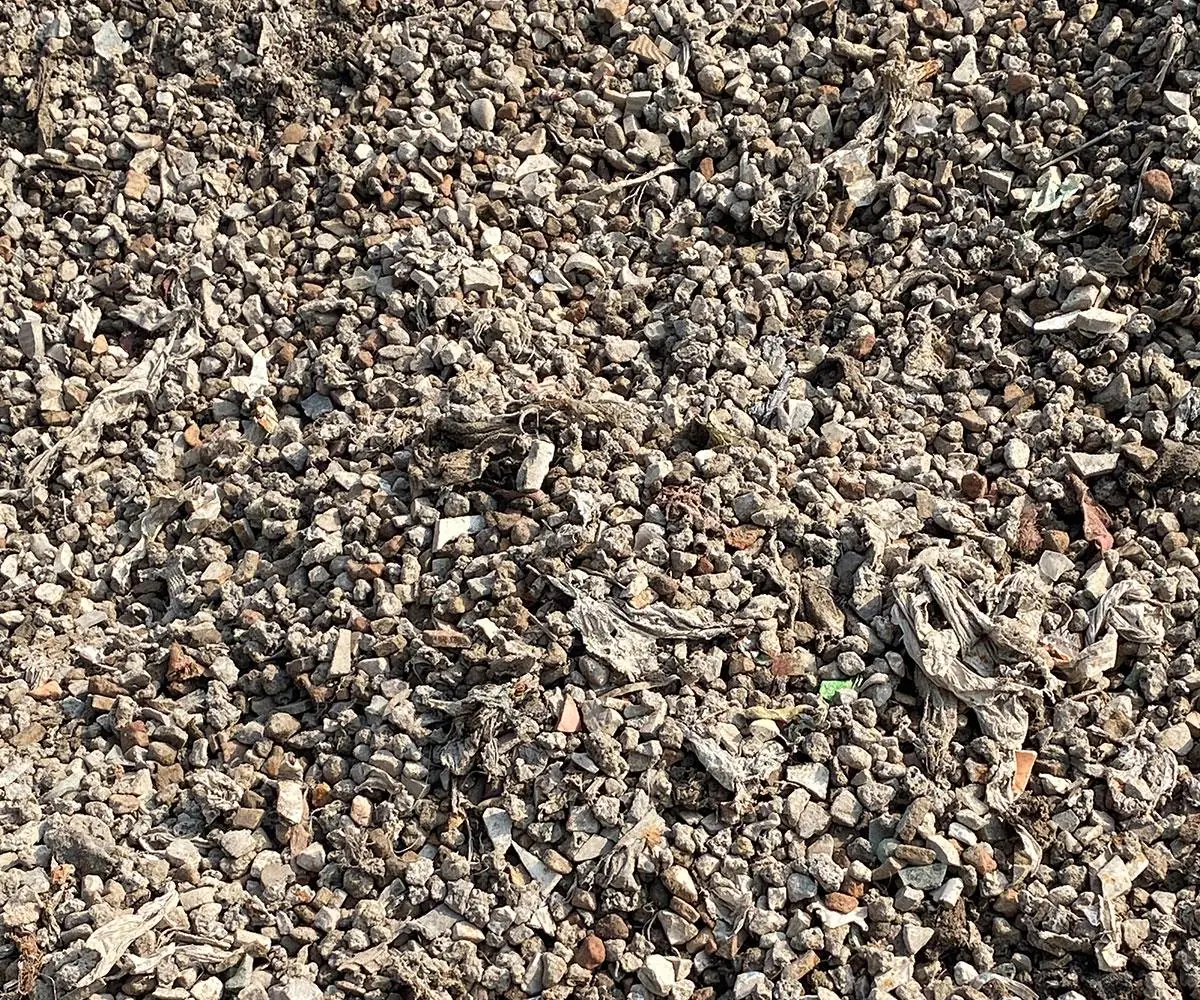
Incinerated bottom ash (IBA) is the residue discharged from the moving grate of municipal solid waste incinerators: a heterogeneous mix of concrete, ceramics, glass, brick, clinker, metals and fused particles. CFlo wet processing recovers usable aggregate fractions from IBA for reuse in bulk fill, asphalt, cement bound materials, lightweight blocks and pavement concrete.
What is incinerated bottom ash?
Waste-to-energy (WtE), or energy-from-waste (EfW), is the process of generating electricity and/or heat from the primary treatment of waste, or of processing waste into a fuel source. Incineration, the combustion of organic material such as waste with energy recovery, is the most common WtE implementation.
Incinerated bottom ash (IBA) is the ash produced in these incineration facilities. It is a heterogeneous material containing concrete, ceramics, glass, brick, clinker, some metals and fused material particles, discharged from the moving grate of municipal solid waste incinerators.
Why IBA must be managed properly
Modern incinerators reduce the volume of the original waste by 95–96%, depending on composition and the degree of recovery of materials such as metals from the ash. Incinerators may emit fine particulate, heavy metals, trace dioxin and acid gas, although these emissions are relatively low from modern facilities.
The bigger concern is residue management: toxic fly ash must be handled in hazardous waste disposal installations, while incinerator bottom ash must be reused properly. Recycling IBA closes that loop.
Why IBA is washed rather than just screened
Dry screening sizes the ash. It does not change what the ash will do once it is in the ground, and that is the question every reuse route actually turns on.
Bottom ash comes off the grate carrying soluble salts and leachable metals along with its mineral fraction. Those are exactly what a leaching test looks for, and they are why unwashed IBA is treated as a residue to be disposed of rather than an aggregate to be sold. Washing takes them into the water instead of leaving them in the product, which is what lets the mineral fraction be sold against a specification rather than tipped.
The same pass pays for itself twice. Ash from a municipal grate carries recoverable ferrous and non-ferrous metal, and a wet circuit both liberates it from the fused clinker and gives a clean point to take it out. What is left is a graded mineral aggregate rather than a heterogeneous residue.
Repurposing IBA
Processed IBA aggregate has established reuse routes:
- Bulk fill
- Asphalt
- Cement bound materials
- Lightweight blocks
- Pavement concrete
The related CFlo platform for IBA duty is the Reurban wet processing system, which washes and classifies the mineral fraction into clean, usable aggregates.
Frequently asked questions
Why is incinerated bottom ash washed rather than screened?
Because screening only sizes it. Bottom ash carries soluble salts and leachable metals off the grate, and those are what a leaching test measures, so they decide whether the material can be sold as aggregate or has to be disposed of. Washing moves them into the water rather than leaving them in the product.
Can metals be recovered from incinerated bottom ash?
Yes. Municipal bottom ash carries recoverable ferrous and non-ferrous metal, often fused into clinker. A wet circuit liberates it and provides a clean point to extract it, so the same pass that produces a graded aggregate also recovers the metal fraction.
What is incinerated bottom ash made of?
IBA is a heterogeneous material discharged from the moving grate of municipal solid waste incinerators. It contains concrete, ceramics, glass, brick, clinker, some metals and fused material particles. Because the composition varies, washing and classification are needed to turn it into a consistent, usable aggregate.
Is bottom ash hazardous like fly ash?
No. Toxic fly ash must be handled in hazardous waste disposal installations, whereas incinerator bottom ash is a separate residue stream that can and should be reused properly. That distinction is what makes IBA recycling into construction materials both viable and environmentally responsible.
What can recycled IBA be used for?
Established applications include bulk fill, asphalt, cement bound materials, lightweight blocks and pavement concrete. Recovering the mineral fraction for these uses diverts residue from landfill and returns value from waste that has already delivered energy through the incineration process.
How much does incineration reduce waste volume?
Modern incinerators reduce the volume of the original waste by 95–96%, depending on the composition of the waste and the degree of recovery of materials such as metals from the ash. IBA recycling then addresses the residual fraction, pushing overall recovery even higher.
Which CFlo equipment processes IBA?
The Reurban is CFlo's related platform for IBA recycling. It applies proven wet processing, washing and classification, to the heterogeneous mineral fraction of bottom ash, producing clean aggregate fractions suitable for bulk fill, asphalt, cement bound materials, lightweight blocks and pavement concrete.