
MSW Legacy Waste Recycling & Biomining
Scientific biomining and washing systems that turn decades-old waste mountains into recovered land and saleable sand and aggregates.
PlatformsReurban
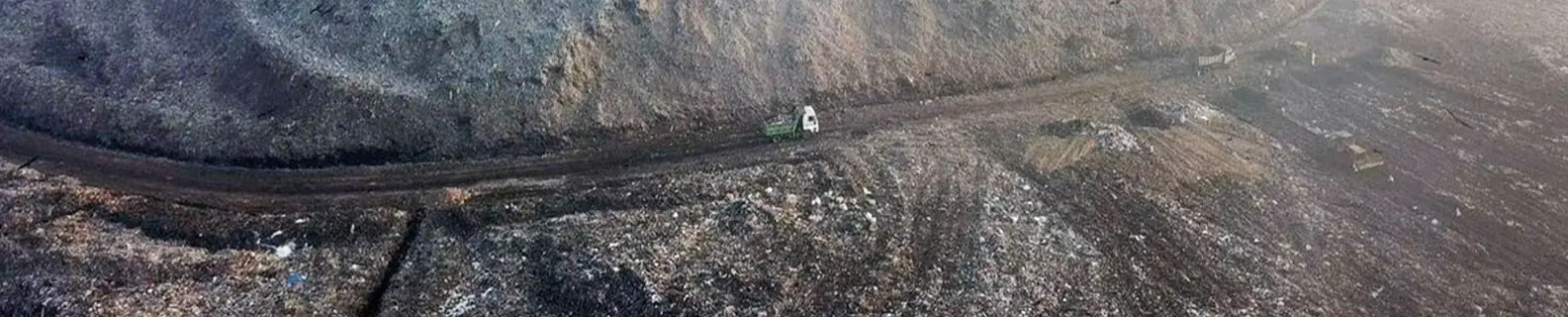
Legacy waste is municipal solid waste stockpiled for years on landfills and barren land. Biomining, defined under CPCB guidelines, is the scientific excavation, treatment and segregation of this aged waste. CFlo plants wash the recovered C&D fraction and trommel fines into clean sand and aggregates, releasing the land beneath.
What is legacy waste?
Legacy waste is municipal solid waste (MSW) that has been collected and dumped for years on barren land or landfill. The waste mountains visible outside city limits are typically legacy waste stockpiles.
These sites are an aesthetic and environmental disaster. They generate bad odour, poisonous smoke and leachate that contaminates groundwater, breed pathogens and flies, add greenhouse gases, and pose serious fire risk: metro cities such as Delhi and Mumbai face trenching-ground fires every summer. Meanwhile the land itself, often prime urban real estate, stays buried.
The business case is the land
The environmental case for clearing a dumpsite is easy to make and hard to fund. The case that actually gets projects approved is different: these mountains sit on land, and the land is usually inside a city that has run out of it.
A legacy dump occupies developable urban ground, sterilises the ground around it through leachate, and costs money every year to contain. Processing it releases the site. The recovered sand and aggregate help pay for the work, but the asset being unlocked is the acreage, which is why municipal projects are justified on reclamation rather than on material sales.
Aged waste also behaves differently from fresh refuse, and that cuts both ways. Years in a heap have already degraded most of the organic fraction, so what remains is more mineral and less putrescible than a day's collection. But it is also mixed beyond sorting at source, unpredictable from one metre to the next, and full of things nobody expected. A plant for legacy waste has to be built for variability rather than for a specification.
Biomining under CPCB guidelines
Biomining is the scientific process of excavation, treatment, segregation and gainful utilisation of aged municipal solid waste, as defined in the guidelines of the Central Pollution Control Board (CPCB). It separates soil and recyclables, plastic, metal, paper, textiles and C&D materials, for reuse, recycling or filling low-lying areas. In practice it involves:
- Scientific treatment of old waste to remove undigested organic matter
- Spraying cultures to suppress odour
- Drying of material
- Screening and classification using various types of equipment
- Making products from the processed waste material
- Levelling of recovered land
- Planting trees for environmental detoxification
Washing the C&D fraction of legacy waste
A large share of legacy waste is inert construction and demolition material. CFlo's advanced waste processing systems convert this fraction into recycled sand and aggregates with a range of construction uses. Each plant combines the processing phases your material requires: feeding and pre-screening, metal removal, aggregate scrubbing, contaminant removal, sand washing, aggregate sizing, primary stage water treatment and sludge management.
Recycling trommel fines
Legacy waste also yields trommel fines: wood, aggregate, sand, glass and organics typically smaller than 30–50 mm. Using density separation, CFlo's trommel fines solution sizes and separates this stream to recover maximum value. It washes the waste, removes contamination from sand, grit and stone, and liberates unwanted lightweight matter. Where contamination levels demand it, the plant is designed to remove heavy metals and hydrocarbons for specific applications. The clean sand and aggregates recovered can be resold into the secondary aggregates market, closing the loop on waste.
The Reurban system
CFlo's Reurban range handles legacy waste processing as a Next-Gen 'Super' System: Super modular for rapid deployment on dumpsites, Super smart with process control that maintains product quality while reducing water and power, and Super easy with app-guided installation and service, important on remediation projects that relocate once a site is cleared.
Frequently asked questions
Why do cities invest in clearing legacy dumps?
Chiefly to recover the land. A legacy dump occupies developable urban ground, contaminates the ground around it through leachate, and costs money every year to contain. The recovered sand and aggregate help pay for the work, but the asset being unlocked is the acreage, which is why these projects are justified on reclamation rather than on material sales.
How does aged legacy waste differ from fresh municipal waste?
Years in a heap degrade most of the organic fraction, so legacy waste is more mineral and less putrescible than a day's collection. Against that it is mixed beyond any hope of sorting at source and varies unpredictably within the same dump, so the plant has to be built for variability rather than for a specification.
What is the difference between legacy waste and fresh MSW?
Legacy waste is municipal solid waste that has sat on dumpsites for years, so its organic fraction is partly digested and the remainder is dominated by soil, inert C&D material, plastics and trommel fines. That composition suits biomining and washing-based recovery rather than fresh-waste treatment routes.
What is biomining of legacy waste?
Biomining is the scientific excavation, treatment, segregation and gainful utilisation of aged municipal solid waste, defined under Central Pollution Control Board (CPCB) guidelines. It uses environmentally friendly techniques to separate soil, plastics, metals, paper, textiles and C&D materials for recycling, reuse or filling low-lying areas, and ends with levelling and greening the recovered land.
What are trommel fines and can they really be recycled?
Trommel fines are the under 30–50 mm fraction from waste screening: sand, grit, stone, glass, wood and organics. CFlo's density separation and washing solution recovers clean sand and aggregates from this stream, removing lightweight matter and, where required, heavy metals and hydrocarbons, so the products can be resold in the secondary aggregates market.
Why should a city invest in legacy waste processing?
Dumpsites bury valuable urban land, contaminate groundwater through leachate, emit greenhouse gases and catch fire in summer, as Delhi and Mumbai experience regularly. Biomining recovers that land, eliminates the ongoing administrative cost of the site, and converts the inert fraction into saleable sand and aggregates.
What equipment does a legacy waste washing plant include?
Each CFlo plant is configured from eight processing phases: feeding and pre-screening, metal removal, aggregate scrubbing, contaminant removal, sand washing, aggregate sizing, primary stage water treatment and sludge management. The combination depends on your waste composition and the products you intend to sell, with the Reurban range as the platform.