
Aerograder Air Classifier
Efficient material separation with the Aerograder Air Classifier: optimising material recovery for sustainable, high-quality processing.
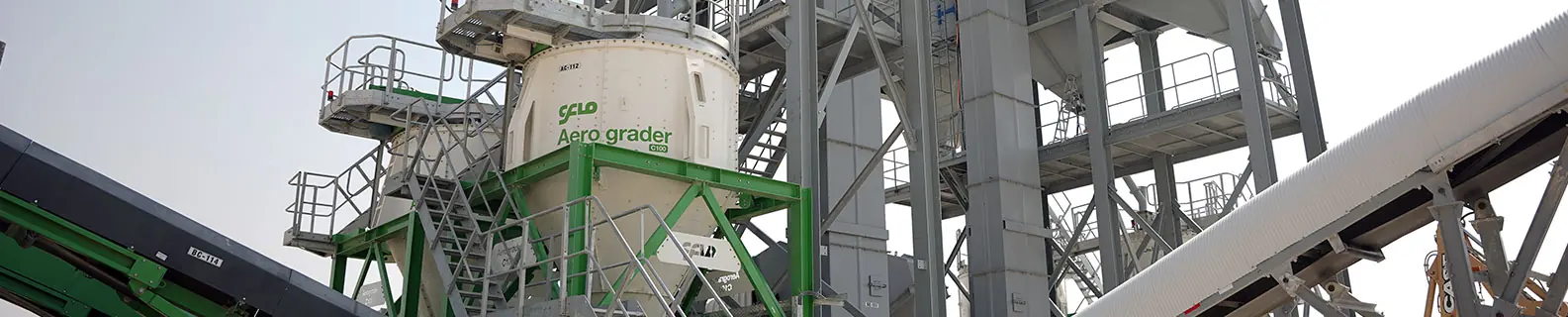
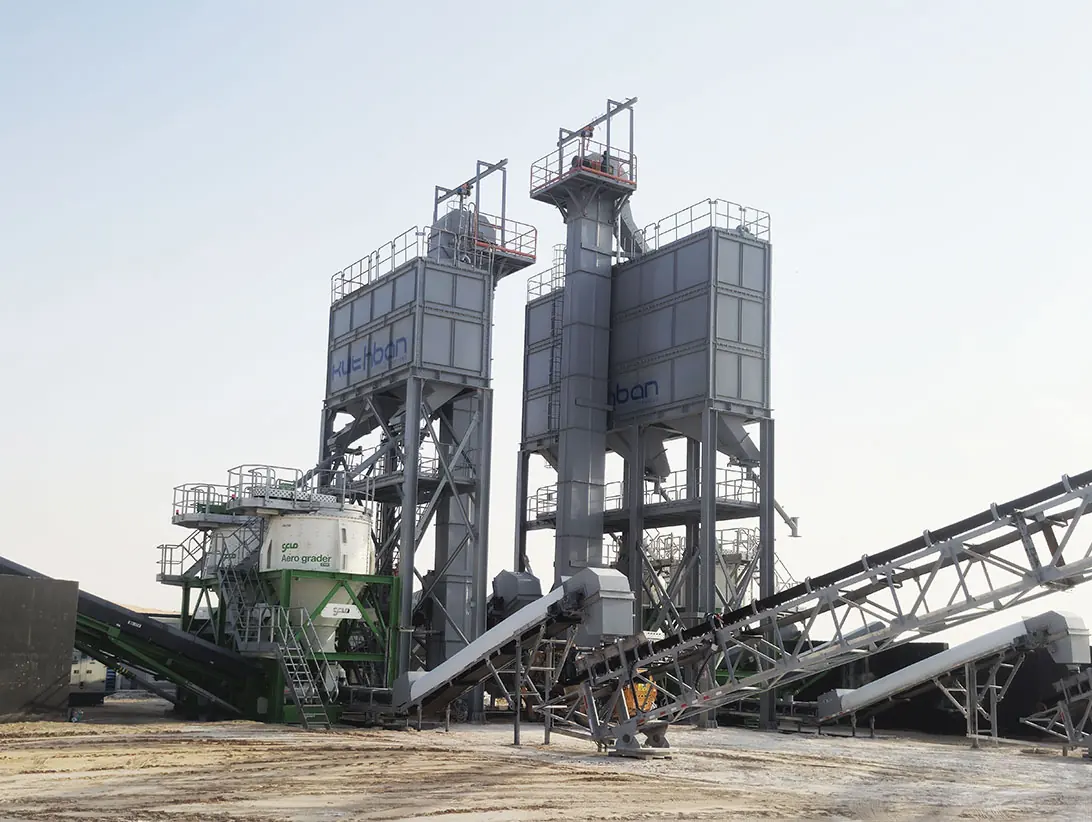
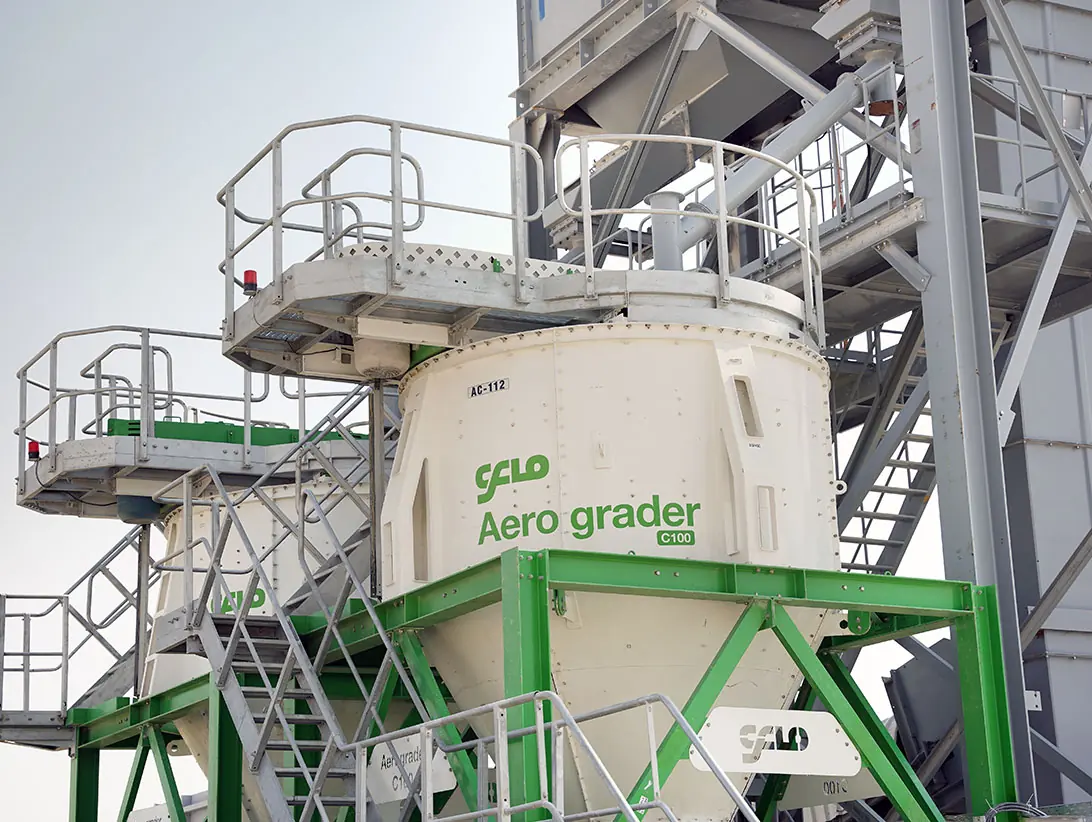
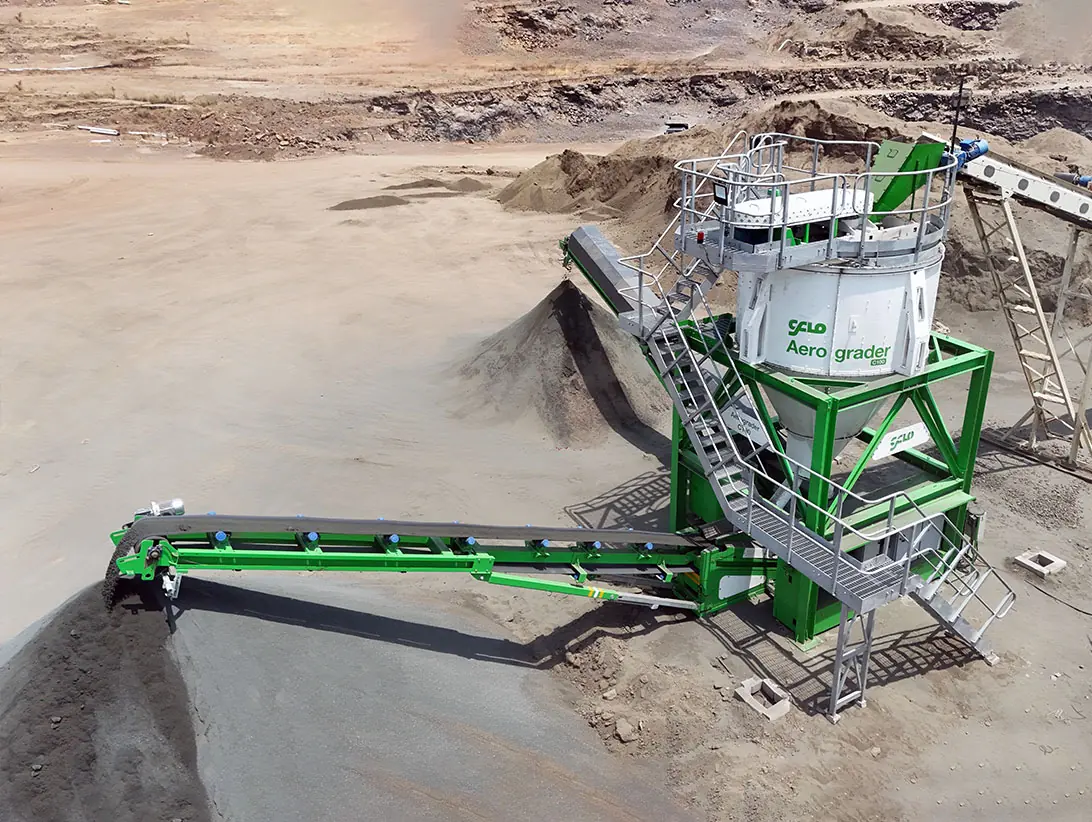
The CFlo Aerograder is a dry air classifier that separates fine and coarse materials by size, density and shape, using no process water at all. It needs no cyclones, baghouses or external fans, runs as one of the most energy-efficient systems in its class and includes integrated dust suppression, making it ideal for water-scarce sites and dedusting.
Dry classification for water-scarce sites
The Aerograder is an advanced air classification system designed to separate fine and coarse materials efficiently with minimal water usage. It is the reliable choice where water availability is limited and operational cost matters, and it excels at dedusting: reducing dust and fine particles from feed materials so the final product is clean, well graded and meets high quality standards. Because the system operates without process water, it opens up sites that wet washing simply cannot serve.
Industries this plant serves
What the Aerograder needs from the feed
Three conditions decide whether air classification suits a given feed. They are set out here because anyone comparing quotations will need them.
Feed below 5 mm. The machine cuts fines. Coarser material belongs on a screen or in a wet plant.
Surface moisture below 2%. Air will not separate damp fines. A flip-flow screen suits damp or sticky feed.
A dry feed all year, which depends on the circuit rather than the season. Fed from an open stockpile in a monsoon climate the machine will not classify for months. Fed through an enclosed crusher-to-classifier circuit the material is not exposed to the weather and arrives dry in any season, and in arid regions the question does not arise. Either arrangement forms part of the specification.
Key features
- Efficient separation of both fine and coarse materials using advanced air classification
- Minimal water usage, ideal for water-scarce sites
- No auxiliary equipment: no cyclones, baghouses or external fans, significantly reducing complexity, capital and operating costs
- Low energy consumption, one of the most energy-efficient systems in its class
- Eco-friendly dust suppression built in, controlling particulate emissions for environmental compliance
- Super modular design that adapts easily to the specific needs of any project
How the Aerograder works
The Aerograder uses dry air classification to separate particles by size, density and shape, giving high-precision sorting for industries where quality control and consistent grading are essential. The system works without process water, making it ideal for sites with limited water availability. Four parameters give Super-precise control over the cut point:
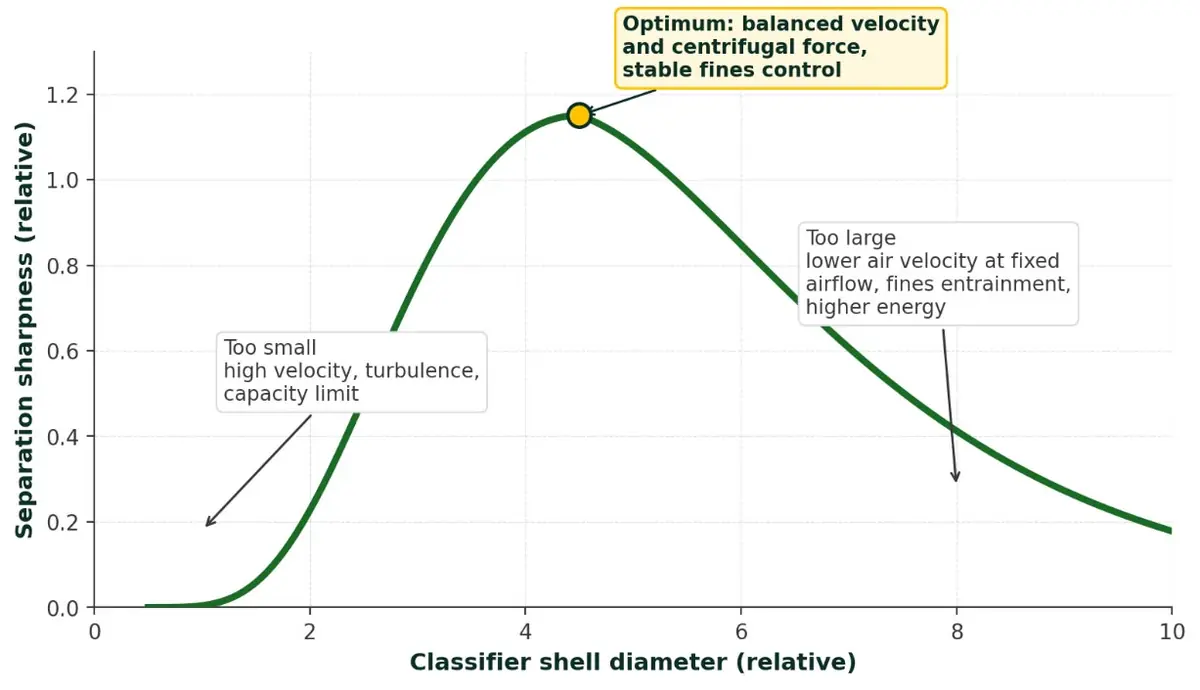

Number of selector blades
Controls particle rejection. Fewer blades reduce rejection and remove more fines; more blades increase rejection and remove fewer.

Feed rate to air ratio
Controls particle saturation. A lower feed rate removes more fines; a higher feed rate removes less.

Number of fan blades
Controls the drag force in the classification zone.

Rejector speed
Controls centrifugal force and particle rejection. Fan speed sets the air velocity through the classifier.
Versatile applications across industries
The Aerograder is used across a wide range of applications, making it an essential tool wherever high-quality material separation matters.
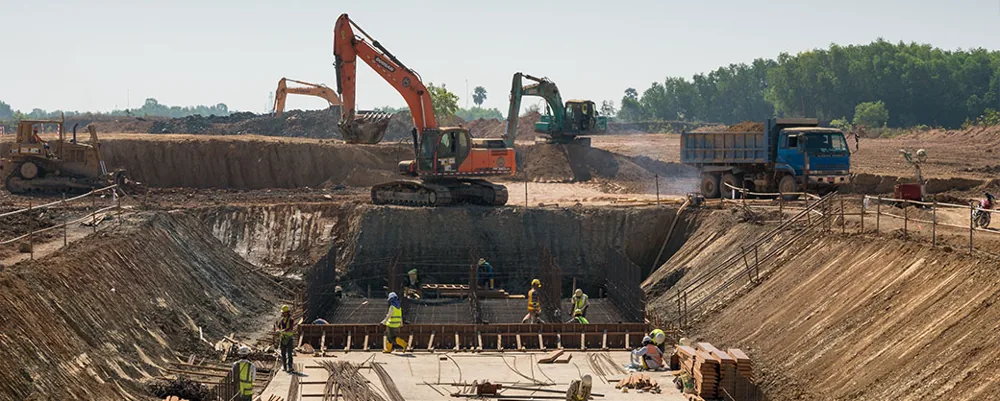
Construction & infrastructure
Graded sand and aggregates from crushed rock fines for road construction, concrete production and other infrastructure projects.
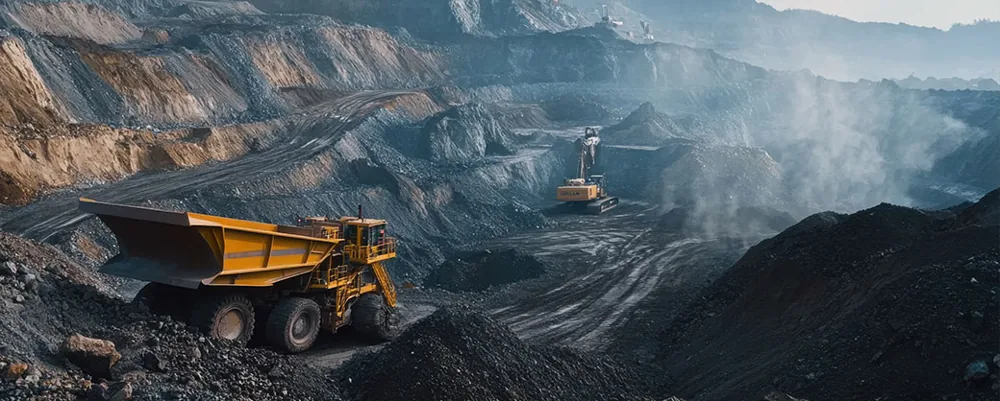
Mining & minerals
Efficient classification of silica and other minerals in the mining industry.
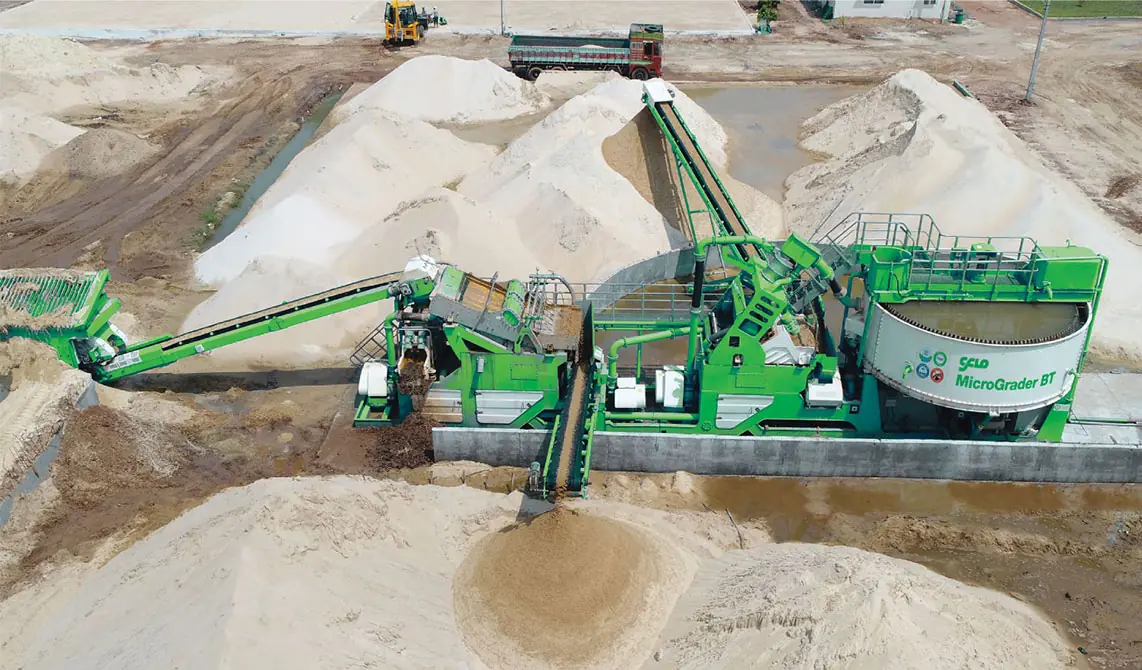
Dedusting & frac sand
Stripping dust and ultra-fines from feed material so products meet tight gradation limits, including proppant.
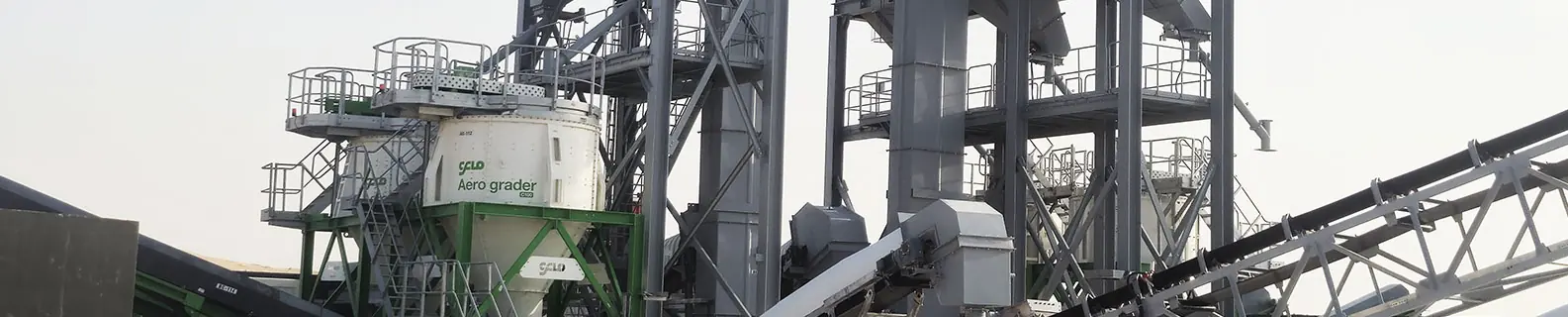
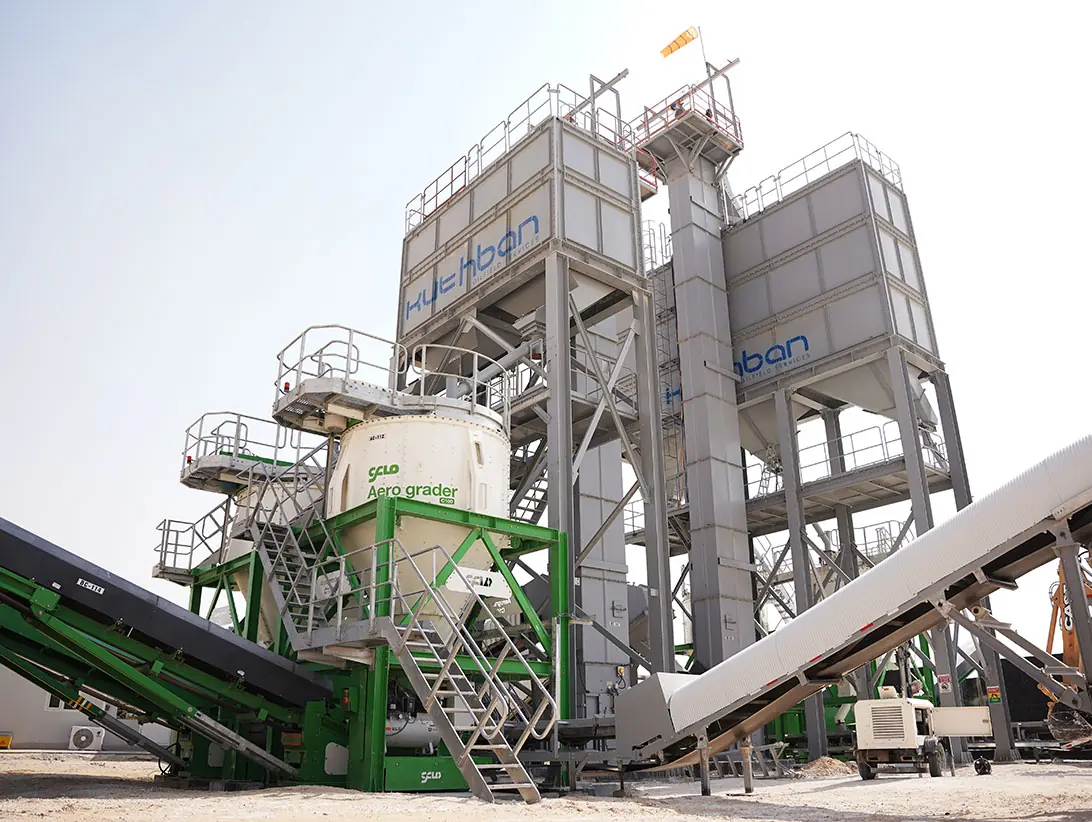
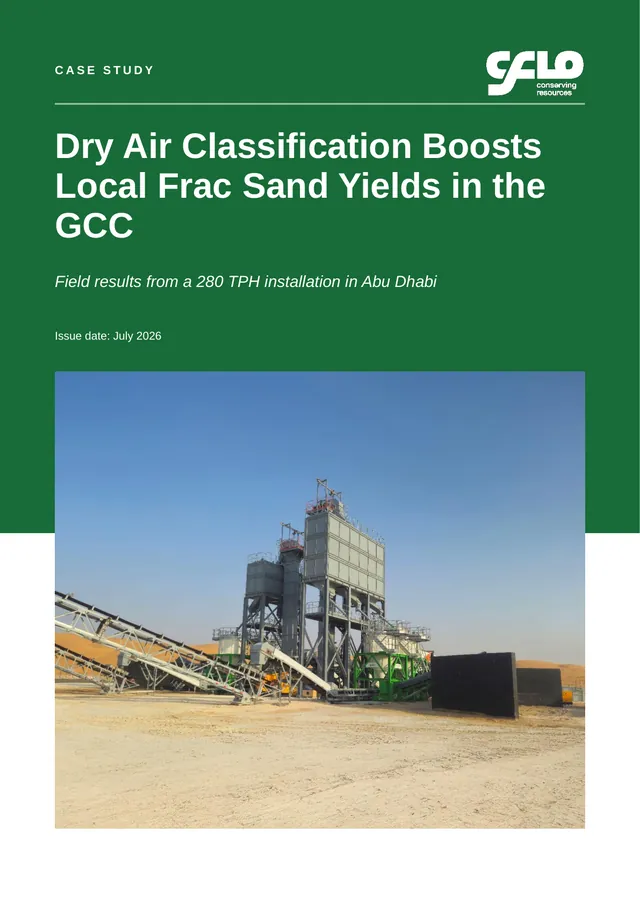
280 TPH of frac sand. Zero process water.
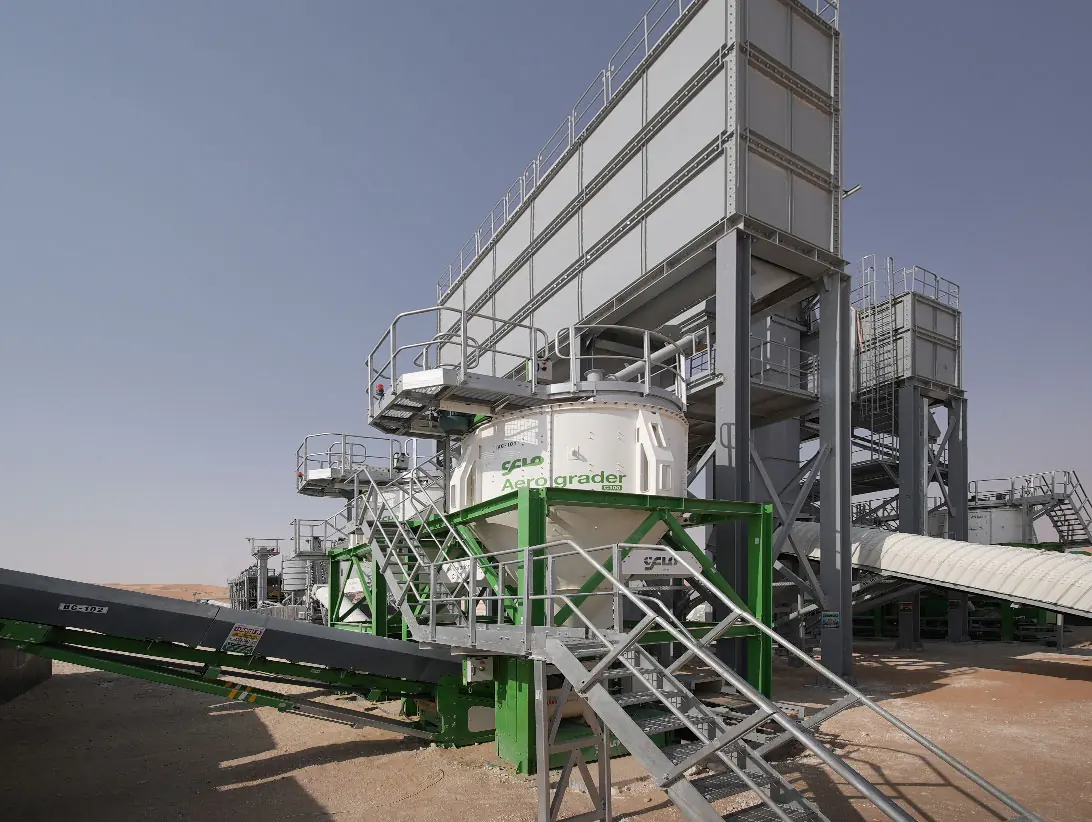
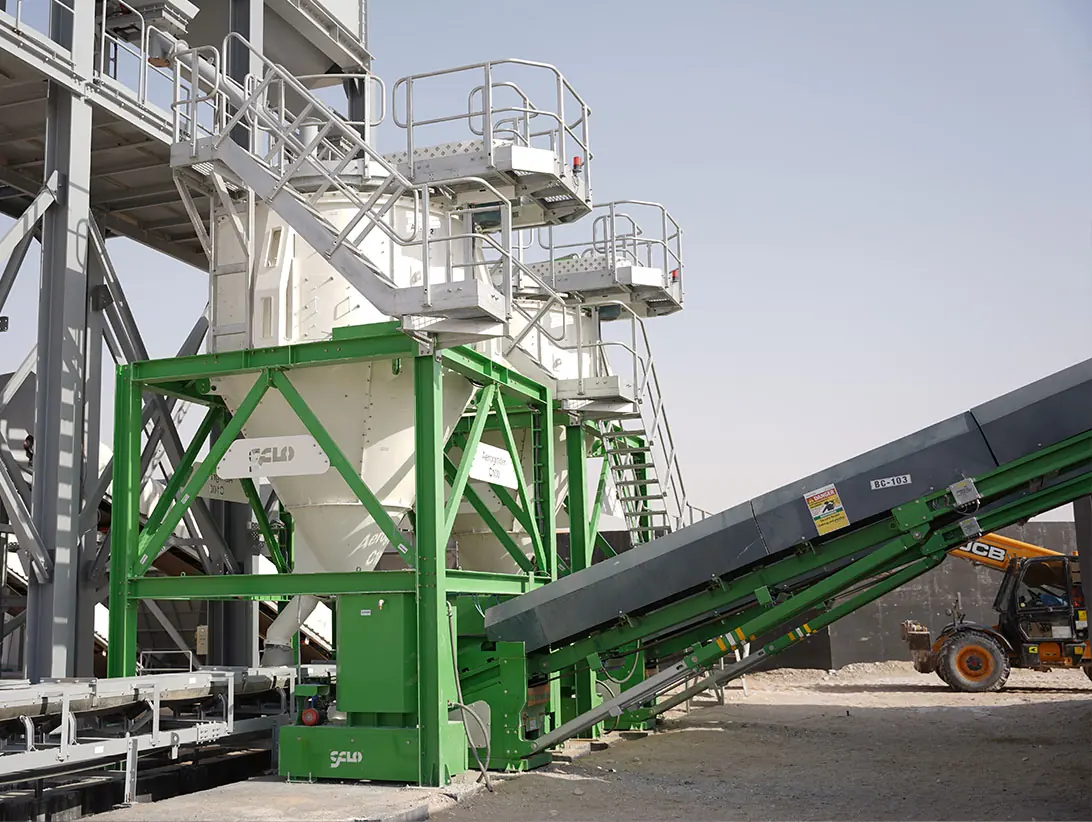
Four Aerograder C100 units classify local dune sand into proppant in Abu Dhabi.
Proven in the field
"The technology not only helped us save valuable water resources but also delivered consistent, high-quality graded manufactured sand."
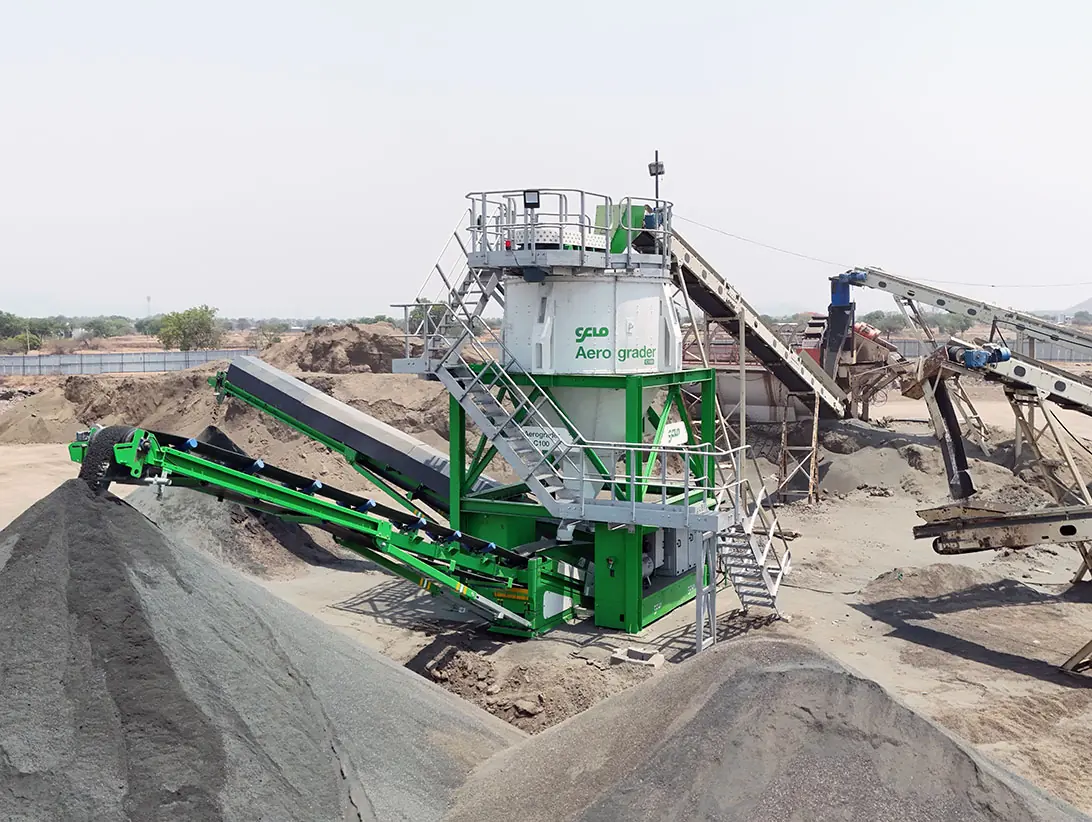
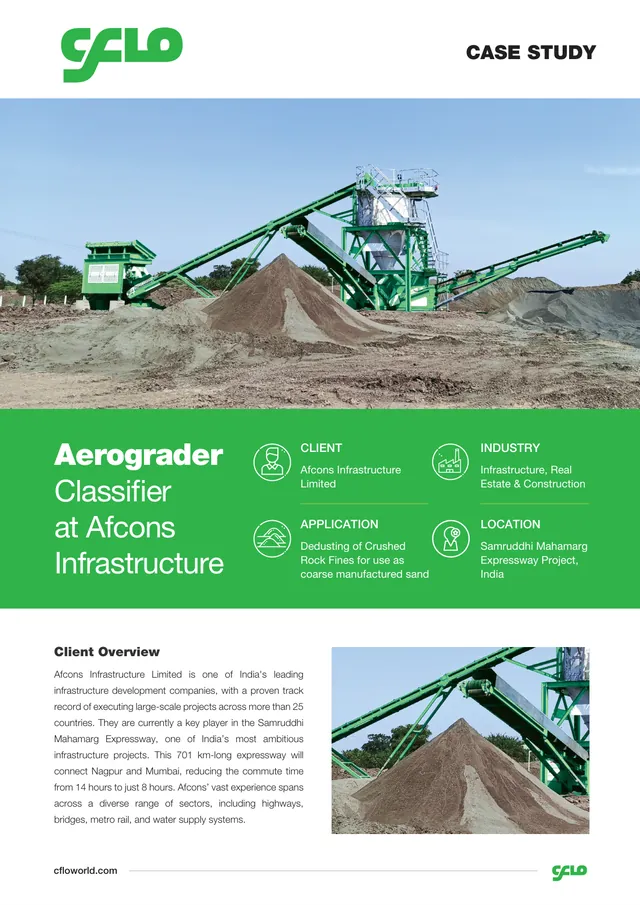
Dozens of units are in service with infrastructure contractors and hotmix asphalt plants. Road contractors including V. H. Khatri Construction run them alongside their Combo plants, dedusting sand before it reaches the hotmix plant. On the water-scarce Samruddhi Mahamarg Expressway, Afcons Infrastructure used a 60–70 TPH Aerograder to produce consistent graded manufactured sand without water. In Abu Dhabi, four Aerograder C100 units run in parallel to grade locally sourced desert dune sand into frac sand proppant, with the measured field results reported in the case study.
See it in action
In pictures
Frequently asked questions
Does the Aerograder use any water?
No. The Aerograder separates particles with air rather than water, using size, density and shape to make the cut. That makes it the practical option for water-scarce sites: Afcons produced graded manufactured sand on the Samruddhi Mahamarg Expressway without drawing on scarce local water, while integrated dust suppression keeps the dry process clean.
What materials can an air classifier process?
The Aerograder produces graded sand and aggregates from crushed rock fines for roads and concrete, classifies silica and other minerals for the mining industry, and handles dedusting duties wherever dust and ultra-fines must be stripped from a feed. It suits any operation where consistent grading and quality control are essential.
How precise is the separation?
Precise enough for frac sand, where the bottom-size limit is the hardest part of the specification. Operators tune the cut with four controls: selector blades, the feed rate to air ratio, fan blades and rejector speed. Measured field performance is set out in the Abu Dhabi case study.
What does the Aerograder cost to run?
Less than comparable systems, for two reasons. It needs no auxiliary equipment: no cyclones, baghouses or external fans, which cuts both capital and operating cost and reduces complexity. And it draws low power, making it one of the most energy-efficient classification systems in its class, with zero water procurement or treatment cost.
How does the Aerograder compare with a high-frequency or flip-flow screen?
All three take fines out of a dry feed, and each has its own limits.
A screen separates through an aperture, so a finer cut is harder work. Capacity falls and blinding has to be managed. Flip-flow screens are designed for that condition and suit damp or sticky material. Both types carry screen media, which is a consumable and a downtime item.
Two further differences are more significant. A screen cutting mechanically at 100 to 150 micron carries material up to 300 micron into its reject stream, and that fraction is the fine end of the grading bands a construction sand is sold against. Over-rejection therefore has two effects. Saleable sand leaves with the waste, and removing that fraction raises the fineness modulus, so a screened sand is harder to hold inside a standard grading. The Aerograder has no aperture, so blinding does not occur, the cut is made on settling velocity, and the fraction the grading needs can be returned to the product. Field results on a frac sand duty are reported in the Abu Dhabi case study.
A screen is the better machine on feed above 5 mm, on surface moisture above 2%, and on an open circuit that has to run through a monsoon. A screen also draws considerably less power, so on energy cost alone it is cheaper to run. Once the value of the rejected sand is included, the comparison usually reverses, because that sand is worth several times the energy saved.
When should I choose an Aerograder over a wet washing plant?
Choose air classification when the feed arrives dry and below 5 mm and the job is taking out ultrafines rather than scrubbing off clay. Only water removes bonded clay, so where the feed carries it a wet plant such as the CFlo Combo remains the right tool. Many operations run both, and in a monsoon climate they are seasonally complementary rather than alternatives.
What capacity can the Aerograder deliver?
A single unit produced 60–70 TPH of graded manufactured sand for Afcons on the Samruddhi Mahamarg project, and units combine for larger duties, with a four-unit installation running at 280 TPH combined. The Super modular design means capacity scales by adding units, not redesigning the plant.
Which Aerograder models are available, and what capacity does each run?
Two models, both dry: no water, no cyclone, no baghouse. Each is configured around your feed, and higher capacities are reached by running units in parallel.
Standard capacity may vary with feed gradation and site conditions.
| Model | Throughput |
|---|---|
| Aerograder C100 | 60 to 70 tph |
| Aerograder C200 | 120 to 150 tph |