
Foundry Sand Processing Plants
Specialist screening and classification systems that produce clean, uniformly graded silica sand for the casting industry.
PlatformsMicrograder
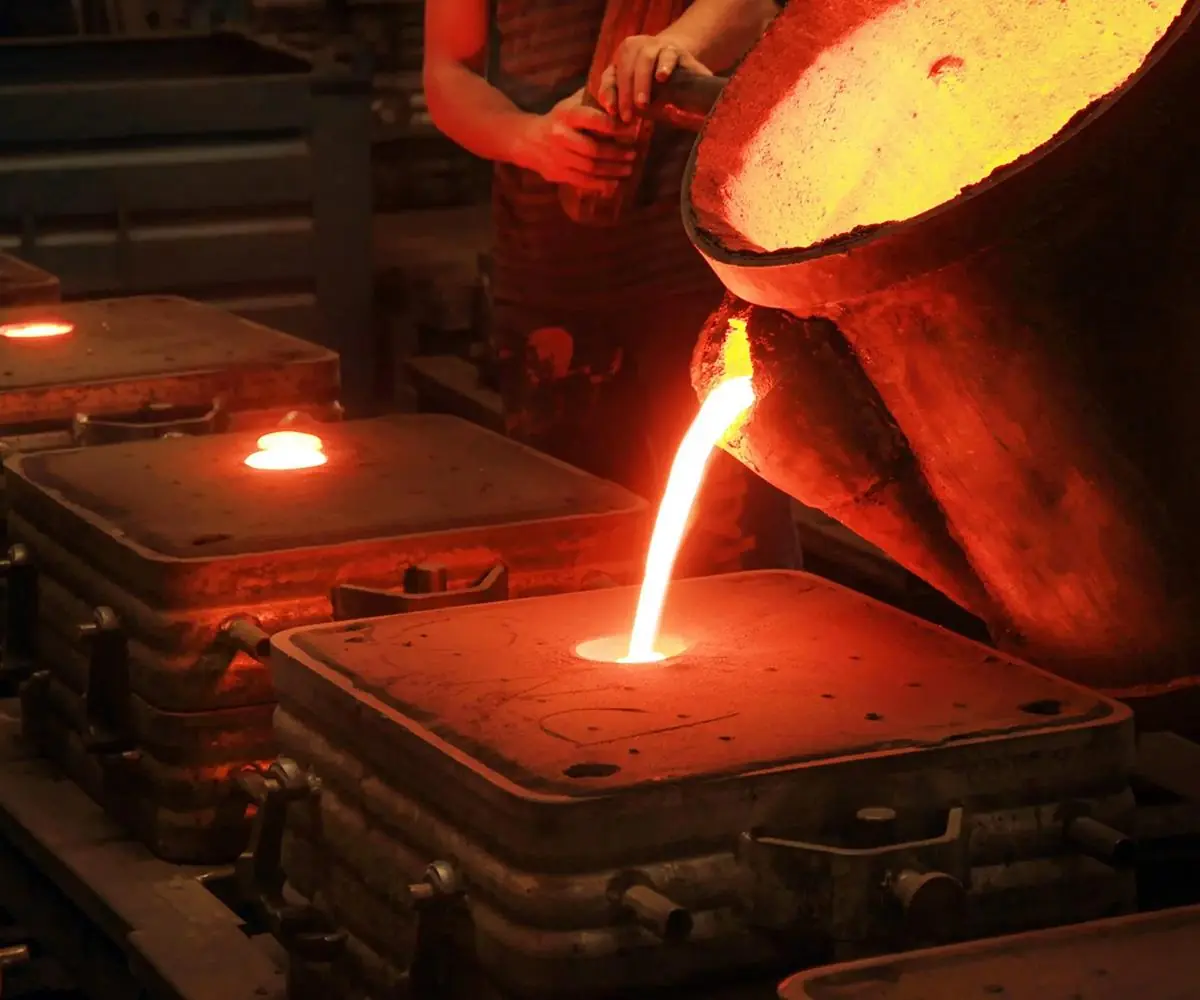
Foundry sand (casting sand) is clean, uniformly sized, high-quality silica sand bonded to form moulds for ferrous and nonferrous metal castings. Producing it takes specialist screening and classification: CFlo builds the complete modular foundry sand plant, with detailed feed analysis, tight grade control and up to 95% water recycling.
What is foundry sand?
Foundry sand, also known as casting sand, consists primarily of clean, uniformly sized, high-quality silica sand that is bonded to form moulds for ferrous (iron and steel) and nonferrous (copper, aluminium, brass) metal castings.
The most common casting process is the sand cast system. Virtually all sand cast moulds for ferrous castings are green sand: high-quality silica sand, bentonite clay as the binder, water, and coal as a carbonaceous additive to improve casting finish. The metal being cast determines the additives and the sand gradation required, so production demands detailed analysis of feed material against sand grade specifications.
What makes a sand a foundry sand
Any sand can fill a box. A foundry sand has to survive molten metal and then let the casting come out looking right, and that puts three demands on it that ordinary construction sand never faces.
-
Silica purity, for refractoriness. The mould sits against metal poured at temperature. A sand carrying other minerals softens or fuses where a high-silica sand holds its shape, and a mould that moves is a casting that is scrap.
-
Uniform grading, for finish and for venting. Grain size decides the surface the casting inherits, and the spread of sizes decides whether gas can escape through the mould as the metal fills it. Too coarse and the finish roughens; too fine or too widely graded and the mould chokes.
-
No clay and no loose fines, except the bentonite deliberately added as binder. Anything else changes how much water the mix needs and how the mould behaves, which is why the sand is washed and classified before it ever reaches a foundry.
Foundry sand and silica sand
They are the same mineral. Foundry sand is silica sand processed to a foundry's specification instead of a glassmaker's, and the two want different things from the same deposit: a glass batch is bought on chemistry first, a foundry sand on grading and consistency first. That is why one plant configuration can serve both markets from one pit, and why the classification stage rather than the washing stage is what decides which product you are selling.
Who uses foundry sand
Ferrous (iron and steel) industries account for the majority of foundry sand used for castings, and the automotive industry and its suppliers are major consumers. Typically, around 1 tonne of foundry sand is required for each tonne of iron or steel casting produced.
Spent foundry sand also has secondary lives, subject to individual physical and chemical analysis to confirm suitability:
- Feedstock for the manufacture of Portland cement
- Partial replacement for fine aggregate in asphalt mixtures
- Sand for masonry mortar mix
The complete modular plant
CFlo manufactures the full range of equipment required on a foundry sand processing plant, built around the Micrograder classification system. The modular design ensures:
- Maximum process efficiency: careful attention to all material transfer points retains material and water within the circuit and maximises product yield
- Minimal footprint: several processing phases integrate into each modular unit, cutting the space required and the cost of concrete pads and associated works
- Rapid deployment: modular equipment installs in significantly less time than a traditional stick-built static plant, so you are producing sooner
- Minimal environmental impact: the water recycling and tailings management system achieves up to 95% water recycling from your wet processing plant
Next-Gen 'Super' Systems
Foundry sand plants from CFlo follow the Super Systems design language: Super modular units that ship compactly and bolt together plug-and-play, Super smart automation and process control that hold the tight gradation foundries demand while reducing water and power, and Super easy app-guided installation and service.
See it in action
Frequently asked questions
What is casting sand?
Casting sand is another name for foundry sand: the clean, uniformly sized, high-silica sand bonded into moulds for ferrous and non-ferrous castings. The two terms are used interchangeably in the industry.
Why does foundry sand have to be uniformly sized?
Because grain size decides the surface the casting inherits, and the spread of sizes decides whether gas can escape through the mould while the metal fills it. Too coarse and the finish roughens; too fine or too widely graded and the mould cannot vent. Consistency matters as much as the size itself, which is why classification rather than washing is the stage that sets the grade.
How is foundry sand different from ordinary silica sand?
It is the same mineral to a different specification. A glass batch is bought on chemistry first, a foundry sand on grading and consistency first. One deposit can serve both markets, and the classification stage is what decides which product comes out.
What is foundry sand made of?
Foundry sand is primarily clean, uniformly sized, high-quality silica sand. In the dominant green sand system used for ferrous castings, it is mixed with bentonite clay as the binder, water, and coal as a carbonaceous additive that improves casting finish. The metal being cast dictates the additives and sand gradation.
How much foundry sand does a casting operation consume?
Typically around 1 tonne of foundry sand is required for each tonne of iron or steel casting produced. Ferrous foundries account for the majority of consumption, with the automotive industry and its suppliers among the largest end users, so consistent sand supply directly protects casting throughput.
How much water does a foundry sand plant recycle?
Up to 95%. CFlo's water recycling and tailings management system returns process water to the circuit, which also significantly reduces the space the plant requires. Combined with careful design of material transfer points, water and product stay inside the circuit rather than being lost to waste.
Can spent foundry sand be recycled?
Yes, subject to an individual analysis of its physical and chemical properties. Confirmed applications include feedstock for Portland cement manufacture, partial replacement of fine aggregate in asphalt mixtures, and sand for masonry mortar mix. The analysis determines which recycling route suits your particular spent sand.
How long does it take to install a foundry sand processing plant?
Significantly less than a stick-built static plant. CFlo's modular equipment integrates several processing phases per unit, reducing both the concrete pad works and the installation programme. App-guided installation under the Super Systems approach gets the plant commissioned and producing in the shortest possible time.