
Desilting of Dams, Lakes and Water Reservoirs
Transforming dredged and desilted material into high-value engineered sand.
PlatformsReurban
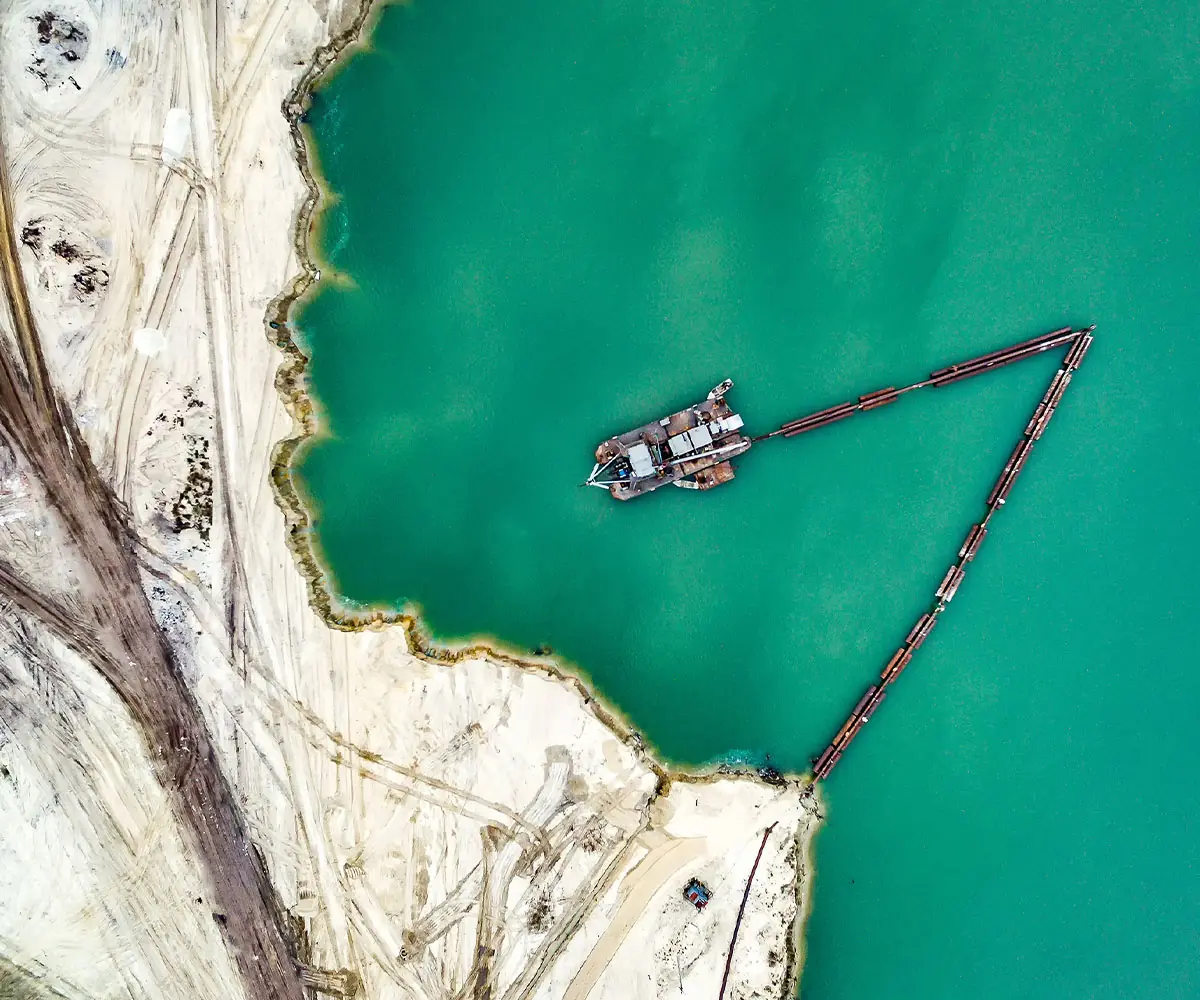
Dams, lakes, reservoirs and commercial ports undergo regular desilting or maintenance dredging, generating large volumes of sediment that are hard to handle or dispose of. CFlo wet processing plants convert this desilted or dredged material into consistent, specification-compliant engineered sand, turning an unavoidable operational by-product into a valuable resource for construction and infrastructure.
Why reservoirs silt up, and why it matters
Every river carries sediment. Put a dam across one and the water slows down, and slow water drops what it is carrying. The sediment stays behind the wall and the reservoir holds a little less each year. Nothing is going wrong when this happens; it is what a dam does. But storage lost to silt is storage lost to irrigation, drinking water and power generation, and it accumulates quietly for decades before anyone counts it.
Desilting is the work of taking that sediment back out. The conventional problem is what to do with it afterwards: it arrives wet, fine and in enormous volume, and moving it somewhere else is expensive enough to make the whole exercise hard to justify.
The silt is river sand
This is the part usually missed. The material behind a dam was carried there by a river, and it is the same material, sorted by the same process, that riverbed mining goes after. Recovering sand from it produces construction sand without dredging a living riverbed, and it restores reservoir capacity in the same operation.
That is why processing is preferable to disposal. Handled as waste, desilted sediment is a cost per tonne moved. Handled as feed, it is a saleable product that pays part of the desilting bill, and one fewer reason for anyone to mine a river.
Our role in desilting and maintenance dredging projects
CFlo does not engage in water-body restoration, deep-sea extraction or ecological rehabilitation. Our expertise is purely in beneficiating the sediment removed during:
- Desilting of dams
- Desilting of lakes and reservoirs
- Maintenance dredging of ports and navigational channels
- Silt removal from water storage and industrial water bodies
We specialise in turning this material into usable, specification-compliant sand, reducing waste volumes and creating new supply for the construction ecosystem.
The challenges of dredged and desilted material
- Highly variable particle sizes and moisture content
- Sticky, fine sediments that are difficult to process
- Large volumes requiring continuous handling
- High costs of transport, storage and disposal
- Limited commercial reuse pathways without beneficiation
- Pressure on port and reservoir operators to minimise their waste footprint
The CFlo solution
CFlo's wet processing systems are engineered to manage fine, high-moisture sediments from both inland desilting and coastal or port maintenance dredging operations.
- Engineered for challenging dredged silt: efficiently handles fine, silty, clay-rich and moisture-heavy feed
- Continuous feed directly from dredge pumps: regulated plant loading and smooth, uninterrupted operation
- Flexible deployment: installations can be shore-based or barge-mounted, depending on site constraints
- High-quality sand production: output meets construction and reclamation specifications
- Significant reduction in disposal volumes: dewatered fines streamline logistics and lower costs
- Reliable, field-proven equipment suitable for long-duration desilting and port maintenance programmes
How it works
- Material intake: desilted or dredged slurry is pumped or transported to the CFlo processing system
- Screening and washing: oversize and impurities are removed; washing separates usable fractions
- Sand classification and recovery: classification technology separates coarse and fine usable sand
- Silt management: ultra-fines are concentrated and dewatered for easier, low-cost disposal
- Engineered sand output: clean, dewatered sand ready for construction applications
Applications of recovered sand
Recovered sand serves concrete and ready-mix production, reclamation, embankment and backfilling, precast products and paver blocks, roadwork and infrastructure fill, and general construction aggregates. Whether from a dam, lake, reservoir or busy commercial port, dredged silt is inevitable: CFlo technology turns it into engineered sand, reducing waste and unlocking value from routine maintenance. The related CFlo platform for this duty is the Reurban system.
Frequently asked questions
What is desilting?
Desilting is the removal of accumulated sediment from a dam, lake or reservoir to recover storage capacity that the silt has taken up. CFlo does not carry out the dredging; it processes the material that comes out, turning it into specification-compliant sand instead of a disposal problem.
Why do reservoirs silt up?
Because a dam slows the river, and slow water drops the sediment it was carrying. It is not a fault, it is what a dam does. The consequence is that storage falls year on year, and with it the irrigation, drinking water and power the reservoir was built to provide.
Is sand recovered from dredged silt the same as river sand?
Essentially, yes. The material behind a dam was carried and sorted by a river, so it is the same material riverbed mining goes after. Recovering it gives construction sand without dredging a living riverbed, and restores reservoir capacity in the same operation.
What happens to the silt removed from dams and reservoirs?
Without beneficiation, dredged silt has limited commercial reuse and racks up transport, storage and disposal costs. A CFlo wet processing plant screens, washes and classifies the sediment, recovering clean engineered sand for construction while ultra-fines are concentrated and dewatered for easier, low-cost disposal.
Can the plant be fed directly from a dredge pump?
Yes. CFlo systems accept continuous feed directly from dredge pumps, which ensures regulated plant loading and smooth, uninterrupted operation. Slurry can also be transported to the plant where direct pumping is not practical, so the system fits both inland desilting and port dredging set-ups.
Can the plant be installed on a barge?
Yes. Installations can be shore-based or barge-mounted, depending on port or inland site constraints. This flexibility, combined with equipment proven on long-duration desilting and port maintenance programmes, lets operators process material where it is dredged rather than trucking raw silt away.
What quality of sand can be recovered from dredged material?
Output sand meets construction and reclamation specifications. Recovered sand is used in concrete and ready-mix production, reclamation, embankment and backfilling, precast products and paver blocks, roadwork and infrastructure fill, and as general construction aggregate: a sustainable alternative to mined river sand.
Does CFlo carry out the dredging itself?
No. CFlo does not engage in water-body restoration, deep-sea extraction or ecological rehabilitation. The expertise is purely in beneficiating the sediment that desilting and maintenance dredging remove, converting it into usable, specification-compliant sand and cutting the operator's waste volumes.
Why process dredged silt instead of disposing of it?
Processing converts an unavoidable maintenance output into a usable product, reduces operational and disposal costs, and provides a sustainable alternative to mined river sand. It adapts to varying feed characteristics, delivers consistent sand quality, and supports continuous, high-volume operation at ports and major water bodies.