
Waste Glass Recycling
Pre-treatment technology that removes stubborn contaminants from recycled glass and maximises cullet recovery.
PlatformsReurban
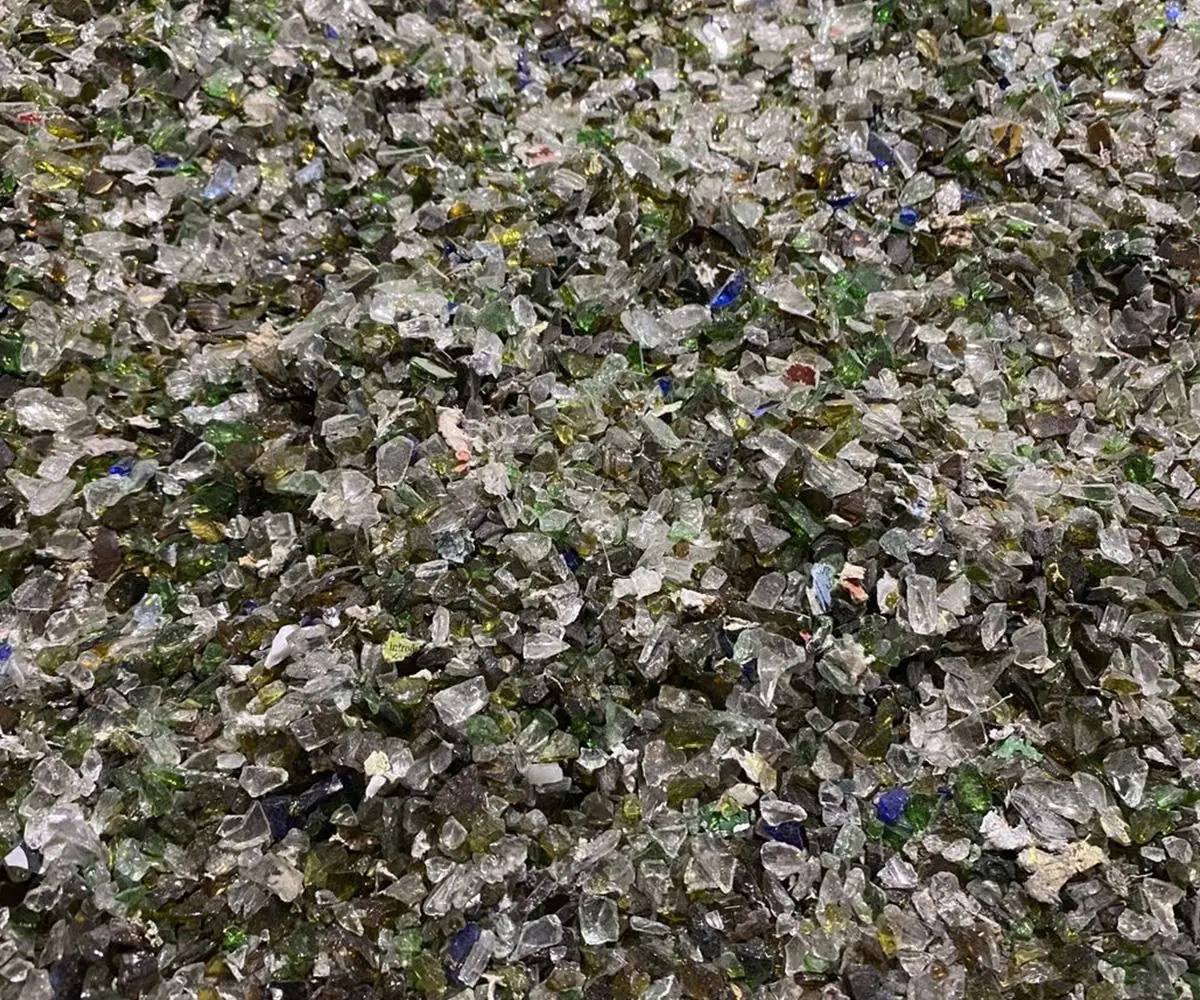
Waste glass recycling recovers cullet whose value is reduced by contaminants such as paper, organics, metals and plastics. CFlo adds a washing pre-treatment stage that screens and washes glass which optical sorting would otherwise reject due to contamination, controlling output quality irrespective of input quality and allowing maximum recovery for remelt, aggregate and construction uses.
What cullet is
Cullet is broken glass collected for recycling, and it is the material a glass furnace actually buys. Whether a load of it is worth anything depends on which of two markets it can reach, and the gap between them is wide.
-
Remelt cullet goes back into a furnace to make new glass. It has to be clean, sized, and usually colour-separated, because contamination and mixed colour both show in the product. This is the valuable end.
-
Aggregate-grade glass goes into construction: glass aggregate, drainage media for landfill, a by-product for the construction industry. It tolerates far more, and pays far less.
Almost everything that decides which market a load reaches is physical rather than chemical: what is stuck to it, how it is graded, and what came in with it. That is why a washing and screening stage sits upstream of the sorting rather than after it.
Why cullet is worth recovering
Glass is one of the few materials that can go round indefinitely without the material itself degrading, which is what "endless reuse" means here and is not true of most recyclables.
The substitution is direct. Commercial soda-lime-silica glass runs between 70% and 74% silica, so every tonne of remelt-grade cullet a furnace takes is about 1.2 tonnes of raw batch it does not need to buy, because the carbonates in that batch lose weight as carbon dioxide on melting. Most of it is processed silica sand. CFlo builds the plants at both ends of that trade, which is why the specification a glassmaker sets on virgin sand is the same specification that decides whether recycled cullet is good enough to go back.
The contamination problem
Recycled glass brings with it many contaminants, including paper, organics, metals and plastics, all of which reduce the value of the cullet. Particle size is one of the most important criteria for end markets. Recycling operations need equipment that can cope with the unique characteristics recycled glass possesses and the challenges it brings.
Pre-treatment: the missing link
CFlo believes pre-treatment is the missing link in many glass recycling processes. By adding a pre-treatment stage, glass that would not have been recovered by optical sorting due to contamination can be screened and washed, removing stubborn contaminants and allowing for maximum recovery.
CFlo technology controls output quality irrespective of input quality, which makes subsequent glass manufacturing processes much more efficient. Guaranteeing that downstream processes run efficiently also reduces the life cycle costs of glass recycling.
Endless reuse for washed glass
The screened and washed glass can be applied for endless reuse as:
- A glass aggregate
- A drainage material for landfills
- A by-product for the construction industry
The related CFlo platform for glass recycling duty is the Reurban wet processing system.
Frequently asked questions
What is cullet?
Cullet is broken glass collected for recycling. Remelt cullet is clean, sized and usually colour-separated glass that goes back into a furnace to make new glass, which is the valuable end of the market. Aggregate-grade glass, which tolerates more contamination, goes into construction uses such as glass aggregate and landfill drainage media, and pays considerably less.
Can glass be recycled indefinitely?
Yes. Glass is one of the few materials that can be recycled repeatedly without the material itself degrading, which is why recovered glass is described as having endless reuse. What limits it in practice is contamination and mixed colour, not fatigue in the glass.
What stops recycled glass going back into new glass?
Physical problems rather than chemical ones: paper, organics, metals and plastics stuck to it, mixed colours, and grading that does not suit the furnace. Optical sorters reject glass they cannot read through contamination, so a washing and screening stage upstream of the sorter is what moves a load from aggregate grade to remelt grade.
Why does recycled glass need washing?
Recycled glass carries paper, organics, metals and plastics, contaminants that reduce the value of the cullet and defeat optical sorting. A washing pre-treatment stage removes these stubborn contaminants, so glass that would otherwise be rejected is recovered and returned to productive use.
How does pre-treatment improve optical sorting recovery?
Optical sorters reject glass they cannot read through contamination. By screening and washing the feed first, the pre-treatment stage strips away the coatings and debris that cause those rejections, allowing maximum recovery and giving the sorters a clean, consistent material to work with.
What can washed recycled glass be used for?
Screened and washed glass can be applied for endless reuse: as a glass aggregate, as a drainage material for landfills, and as a by-product for the construction industry. Because glass can be recycled repeatedly, every tonne recovered displaces virgin raw material.
Does washing glass reduce recycling costs?
Yes. CFlo technology controls output quality irrespective of input quality, which makes subsequent glass manufacturing processes much more efficient. Guaranteeing that efficiency across the chain reduces the life cycle costs of glass recycling as a whole.
Why does particle size matter for recycled glass?
Particle size is one of the most important criteria for end markets: different applications, from remelt cullet to aggregate and drainage material, demand different gradings. CFlo's screening and washing circuit sizes the glass while cleaning it, matching the product to its market.